
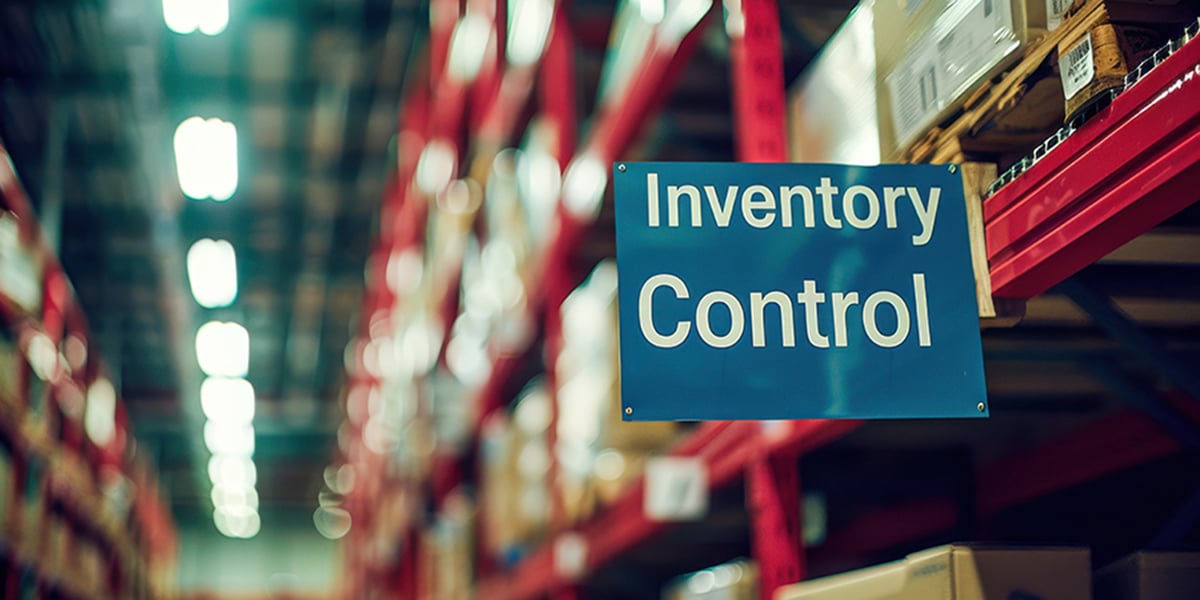
In fast-moving government operations, staying stocked isn’t the same as being prepared. It’s one thing to have supplies on the shelf, and it’s another to know what’s being used, what’s sitting idle, and what needs to be replaced before it becomes a problem. For teams supporting emergency services, logistics, and municipal operations, that kind of visibility makes all the difference. That’s where a robust inventory system, backed by effective surplus management, comes in.
 The Difference Between Inventory Management and Inventory Control
The two are often used interchangeably, but they serve different purposes.
- Inventory management looks at the full picture: forecasting, budgeting, and long-term planning across multiple locations.
- Inventory control handles the day-to-day: tracking current stock, monitoring usage, and adjusting quickly to stay ready.
Together, they form the foundation of operational efficiency, particularly in government agencies where accuracy and timeliness are crucial.
 Tools That Make a Difference
Whether you're managing safety gear, vehicle parts, or emergency supplies, the right systems bring structure and agility. Common tools include:
- Barcode or RFID tracking for real-time visibility
- Mobile dashboards so teams can check inventory off-site
- Automated reorder points that trigger restocks at the right time
- FIFO (first-in, first-out) methods to reduce expired stock
- Cloud-based systems to keep departments in sync
These aren’t just tools for private sector logistics. They’re being used by public agencies that want more control, less waste, and better use of public funds.
|
 Putting Smart Inventory Practices to Work
 Why This Matters for Government Teams
In public service, every piece of equipment has a purpose. The right inventory control system doesn’t just track gear. It helps teams prepare, respond, and recover with confidence. When paired with GovDeals, it becomes a full-circle solution.
With this approach, agencies can:
- Avoid costly stockouts or overordering
- Keep emergency supply chains lean and agile
- Reduce waste from expired or unused inventory
- Recover value through surplus liquidation